
I'll be honest with you: I bought my first bag of Wiggle Worm pure worm castings because the internet made it sound like a cure-all. Sprinkle it on, walk away, and your tomatoes would read you poetry. Three seasons later, I have opinions that are a little more settled and a lot more useful. So here is the honest review I wish I had read before I opened that first bag.
For the record, I'm Hazel. I garden on a half-acre at the edge of a small town in the Arkansas Ozarks, mostly in raised beds because the native soil is rocky red clay. I've been at it organically for about twenty years, and for the last three seasons I've used Wiggle Worm castings in my seed starting mix, in transplant holes, and as a top dressing. I also make my own compost, so I've had plenty of chances to compare the two.
The Quick Verdict
A genuinely good, easy-to-use soil amendment that earns its place in a seed starting mix and transplant holes. It will not rescue a garden by itself, and the price per pound stings if you use it as a mulch. Buy it for the jobs where it shines.
Amazon Check Today's Price →The one soil amendment I actually reach for every spring
Pure, OMRI-listed worm castings in a 4.5 lb bag. I use it in seed trays, transplant holes, and as a gentle top dressing. See today's price on Amazon.
Amazon Check Today's Price on Amazon →How I've Used It, Season by Season
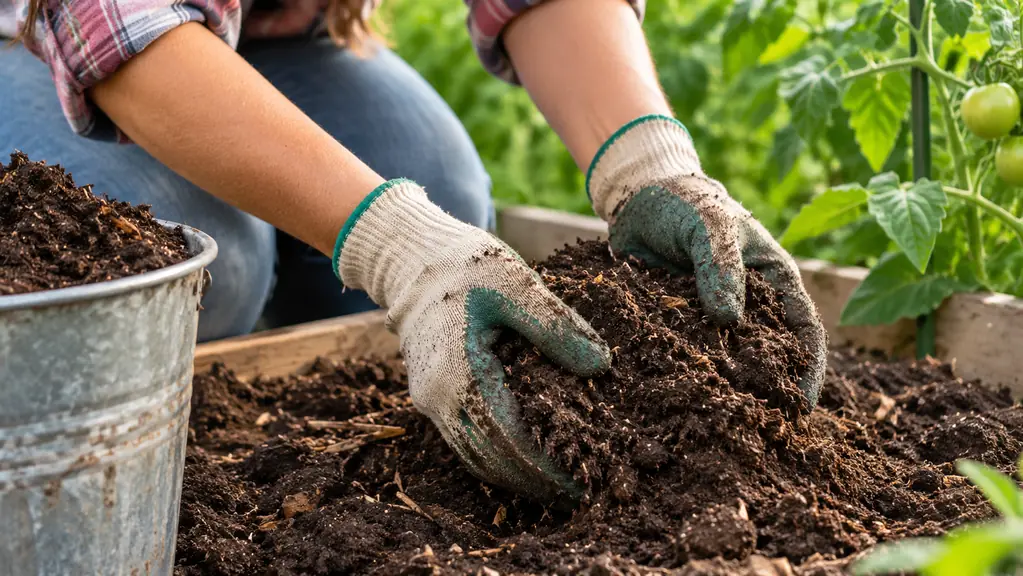
The first spring, I did what the bag said: I mixed castings into the soil above the root zone and added a scoop to each transplant hole. That was mid-April, and I put in six Better Boy tomato starts and four California Wonder peppers in the Land Guard raised beds Dale and I set up three springs ago. My tomatoes and peppers settled in without a single case of transplant shock, which is a rare thing for a gardener like me who tends to plant too early and then apologize to the plants all week. That same year we had a cold snap the second week of May, and I remember standing over those beds at dusk with old bedsheets, ready to cover everything. The tomatoes sulked for a day and then carried on. I can't prove the castings had anything to do with it, but I noticed it, and I noticed the roots when I pulled the plants in October: deep, white, and branching instead of the cramped little knots I used to get in the clay.
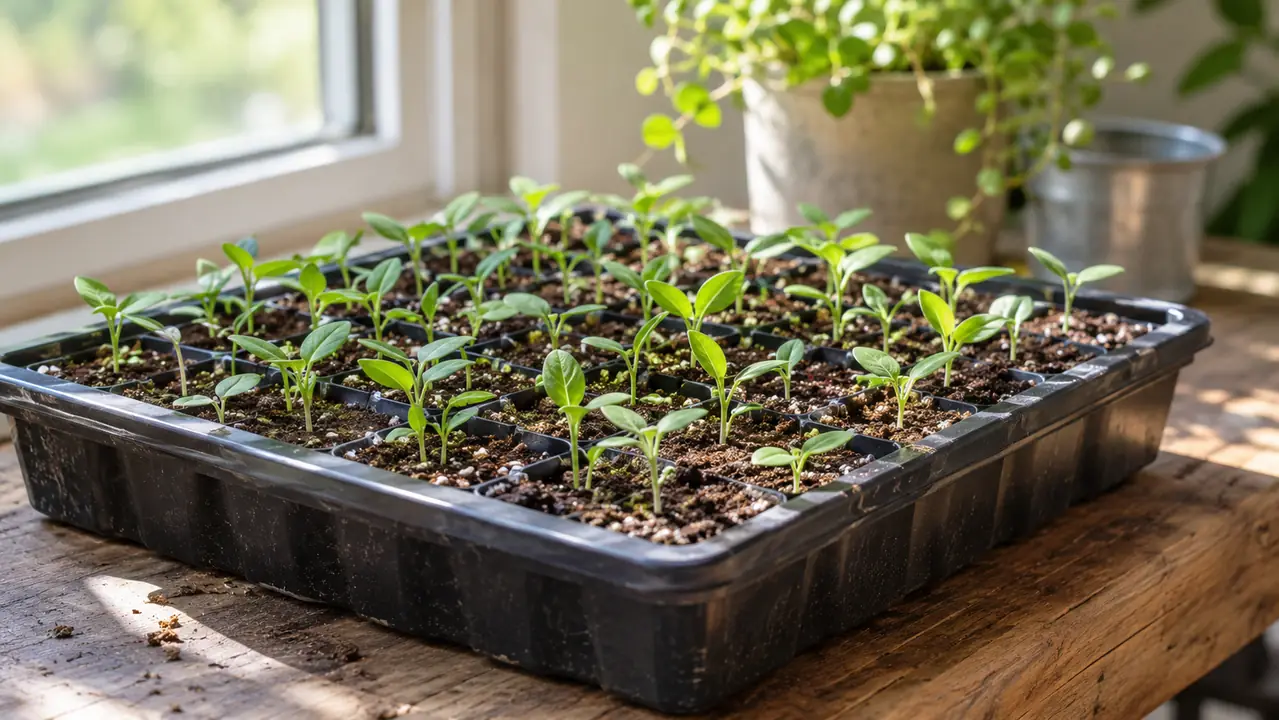
The second season, I got more deliberate. In late February, I filled two seed trays with my usual mix of peat, perlite, and a little of my own compost, then added about one part castings to four parts of the mix. I started thirty-six tomato seeds, a mix of Roma and Cherokee Purple, plus a tray of basil and marigolds for the pollinator strip. The year before, my starts had been leggy and pale, the kind that flop over the moment you look at them, because I'd been too timid with feeding and too eager with the grow light. The castings changed that. Seedlings came up stocky and dark green, and I had far fewer of those leggy, pale starts. By the time I set them out in late April, the stems were thick enough to handle without snapping, and I didn't lose a single one to damping off, which had taken a whole tray of basil the year before. That alone made the bag worth it to me.
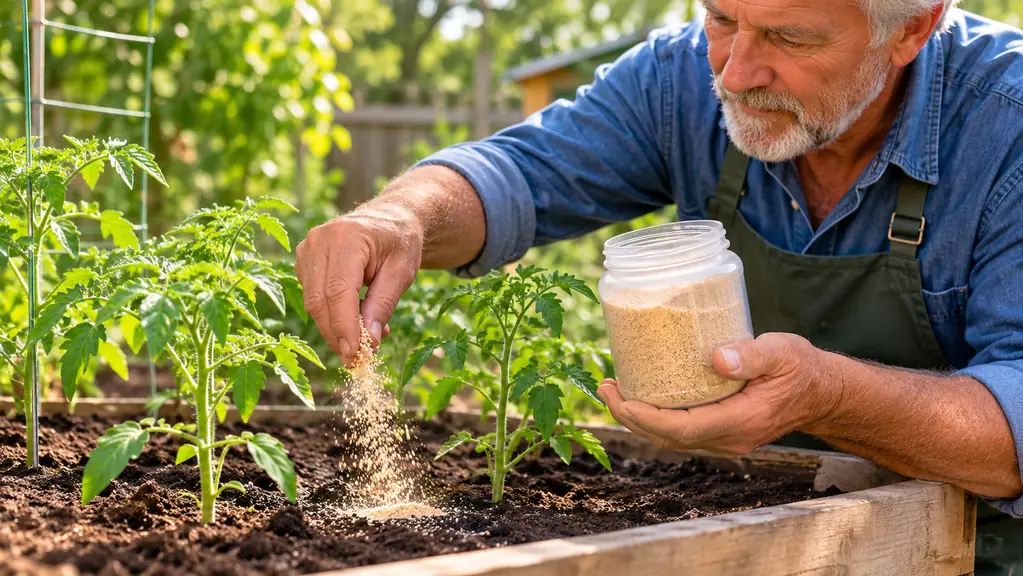
By the third season, I'd stopped treating it like a magic powder and started treating it like what it is: a slow, steady source of organic matter and nutrients that works with the soil instead of against it. I stopped adding extra scoops just in case and started measuring, about a quarter cup per transplant hole and a light dusting on top of each seed tray. I also stopped expecting the castings to do the work my compost should be doing, and started using the two together. That shift in expectations is probably the most honest thing I can tell you. Worm castings are not a fertilizer spike. They're a soil conditioner, and they pay off the way compost pays off, slowly and steadily, in the texture of the soil and the health of the roots. Once I understood that, I stopped being disappointed and started being grateful.
What Nobody Tells You About Worm Castings
First, the texture. The bag describes the castings as tiny, football-shaped particles, and that's exactly right. They're dark, crumbly granules that feel almost like fine coffee grounds, and they blend into soil far more easily than the chunky compost I make in my own bins. One year I sifted a whole batch of my compost through a half-inch screen and still found a piece of twig that had wedged itself into a seed cell and bent a seedling sideways. That's the problem castings solve: consistency. A bag of castings is the same from the top to the bottom, with no lumps, no twigs, and no half-rotted eggshells. When you're filling forty-eight seed cells on a February evening and your hands ache, you don't want to hunt for lumps. You want a mix you can trust, and that's what this is.
Second, the smell. I'll say it plainly: good worm castings should smell like good earth, not like manure. Wiggle Worm's do. That matters to me because I start seeds on a table in my laundry room, right next to the dryer, and I don't want the whole house to smell like a barn. The bag itself is a sturdy 4.5 lb size, and the granules pour out cleanly without the dust cloud I get from some bagged compost. I can open the bag, scoop out a quarter cup with an old measuring cup, and close it back up without a mess. With the arthritis in my hands, that ease of handling is not a small thing. I keep the bag on a low shelf in the laundry room so I don't have to wrestle it down from overhead.
Third, the patience problem. Castings are not a quick fix. They feed the soil, and the soil feeds the plant, and that takes time. Last July, a neighbor called about a potted tomato that had gone pale and stalled. I told her to top dress with a handful of castings and water it in, and she called back a week later asking why it still looked tired. I had to explain that the castings were working on the soil, not the leaves, and that she'd see the difference in a couple of weeks, not a couple of days. She did, eventually, and the plant finished the season fine. But I remember that phone call every time I'm tempted to oversell this product. If you're looking for something that greens up a yellowing plant by Saturday, this is not it. If you're building soil for the long haul, it's a genuinely good tool.
The seedlings came up stocky and dark green, and I had far fewer of those leggy, pale starts that flop over the moment you look at them.
The Pros and Cons, Plainly
What I Liked
- OMRI listed, so it's certified for organic gardens
- Fine, crumbly texture blends easily into seed starting mix
- Mild, earthy smell that won't take over your house
- Gentle enough for seedlings and houseplants
- Easy to measure and apply, even with arthritic hands
Where It Falls Short
- Expensive per pound compared to my own compost
- Not a complete fertilizer on its own
- Slow-acting, so it won't rescue a struggling plant quickly
- Easy to overuse if you treat it like mulch
How It Compares to My Own Compost
I keep a VIVOSUN dual-chamber tumbling composter near my kitchen door, and I've used it for about two years now. I bought it after years of an open pile that was slow, attracted critters, and was hard on my back to turn. It sits on the edge of the patio, close enough that I can scrape a cutting board into it without crossing the yard in the rain. One chamber cooks while I fill the other, and every couple of days I give the drum a few turns. It gives me a steady supply of finished compost that I dig into my beds each spring. So why do I also buy worm castings? That's a fair question, and it's the one I get asked most often by friends who see the bag in my laundry room.
Because they're not the same thing. My compost is wonderful for building soil structure and feeding the broad community of soil life, but it's coarser and more variable. One batch last summer got too many melon rinds and turned sour; I had to spread it on the driveway and let it air out for a week before I could use it. A bag of castings has never once turned sour on me. The castings are consistent, fine, and predictable, which is exactly what I want when I'm filling a seed tray or tucking a tablespoon into a transplant hole. Last spring I ran a small side-by-side: twelve tomato cells with my compost in the mix, twelve with castings. The casting cells germinated a day sooner, and at two weeks the seedlings were noticeably sturdier, with thicker stems and darker leaves. That's not a scientific trial, and I didn't control for a hundred things, but it matched what I'd been seeing for two seasons.
The honest version: if you already make good compost, you don't need castings for everything. But you might still want a bag for the jobs where a fine, consistent texture matters most. I use my compost by the wheelbarrow, digging it into the beds each spring and mulching the squash with it in July. I use castings by the quarter cup, in the trays and the transplant holes. And I'll tell you one more thing: the castings are easier on my back. My compost has to be screened and wheelbarrowed and dug in. The castings I can carry in one hand from the laundry room to the garden. They're not rivals. They're different tools in the same shed, and a garden that has both is better off than a garden that has only one.
Where I Use It, and Where I Don't
My standard routine is to apply it three times a year, working it into the soil above the root zone, just like the label says. In spring, I add a scoop to each transplant hole, about a quarter cup, and I scratch it in with my Nisaku hori hori knife before I set the plant. The blade has depth marks, so I use it to check that I'm not planting too deep, which saves me a second tool and a lot of bending over. In early summer, I top dress the beds lightly and let the worms and rain work it down. In fall, I mix a little into the beds I'm putting to sleep. Last October, for instance, I worked about a quart of castings into each of my three Land Guard beds along with the spent tomato vines and a layer of shredded leaves. By March, the soil in those beds was noticeably darker and easier to dig than the soil in the bed I'd left bare over winter. That little experiment convinced me the fall application was doing real work, not just making me feel virtuous.
Where I don't use it: as a mulch. I tried that once, in my first season, spreading a thick layer of castings around the base of my squash plants. It looked tidy for about a week. Then it crusted over in the sun and shed water like a roof, and the squash vines started looking thirstier than their neighbors. A thick layer of castings on top of the soil is an expensive way to do what a few inches of straw or shredded leaves will do for free. The granules are too fine to suppress weeds, and they dry out quickly in the Ozarks sun, which is no joke in July. A mulch that dries into a crust is worse than no mulch at all. I learned that lesson in one season, and I've never repeated it. Save the bag for the jobs where its texture and consistency actually matter: seed trays, transplant holes, and a light top dressing that you scratch in with a hand fork.
Who This Is For
This is for the gardener who starts seeds indoors and wants sturdy, stocky seedlings without a complicated fertilizer schedule. It's for the raised bed grower who wants a gentle, organic amendment that's hard to mess up. It's for the houseplant owner who has killed one too many plants with a heavy hand and wants something forgiving. And it's for anyone who, like me, has arthritis in their hands and appreciates a product that pours easily and doesn't need to be wrestled with. If you're the kind of gardener who keeps a notebook, you'll like how predictable this is. If you're the kind who doesn't, you'll like that you can't easily hurt anything with it. I've used it on tomatoes, peppers, squash, kale, lettuce, basil, and a row of zinnias, and I've never once seen it burn a root, even when I was heavy-handed with a scoop.
Who Should Skip It
Skip it if you're expecting a complete fertilizer. Castings are a soil conditioner, not a one-bag solution, and your plants will still need a balanced feeding plan. Skip it if you already have a reliable source of good compost and don't start seeds or fuss over transplant shock. And skip it if you're looking for a quick green-up; you'll be disappointed by how patiently it works. Also skip it if your garden is mostly in-ground in decent soil and you're happy with how it grows. The castings shine in containers, trays, and raised beds where the soil is confined and the roots need all the help they can get. In a big open plot, your money is better spent on compost and cover crops.
If you start seeds or pamper transplants, this is the bag to keep on hand
Wiggle Worm pure worm castings, OMRI listed and ready to mix. I keep a bag in my laundry room all winter. See today's price on Amazon.
Amazon Check Today's Price on Amazon →