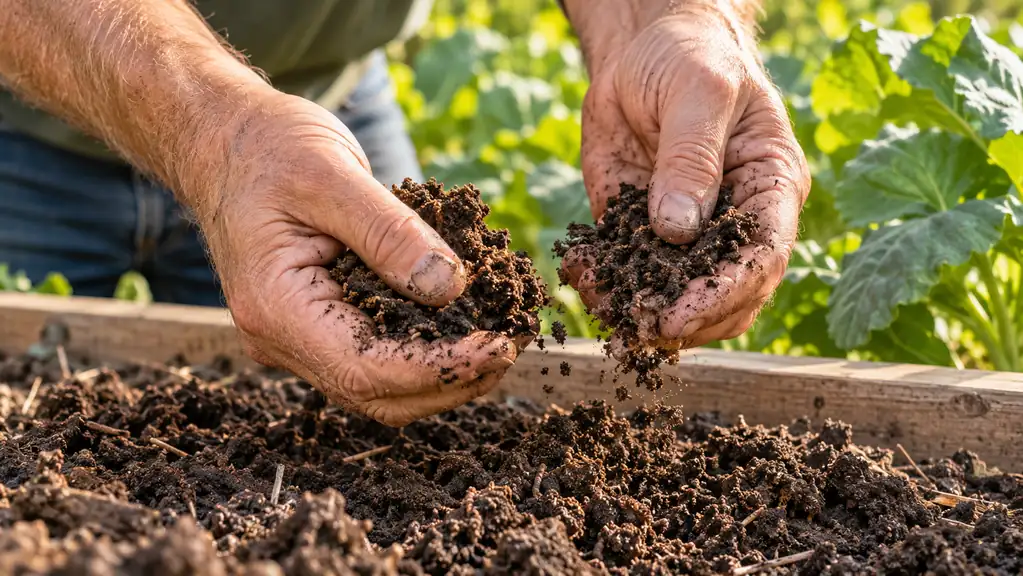
I have been building soil in the Arkansas Ozarks for about twenty years, and I can tell you the exact moment I stopped treating fertilizer like a food for plants and started treating it like a food for soil. It was the spring I dumped my first bag of Wiggle Worm castings into a seed starting tray and watched tomato seedlings come up thicker and darker than anything I had grown before. Castings do not feed the plant directly the way a synthetic fertilizer does. They feed the life in the soil, and the soil feeds the plant. That is the whole difference, and it is why I keep a bag of Wiggle Worm on the shelf every season.
I have used Wiggle Worm pure worm castings for about three seasons now, mainly in seed starting mix, transplant holes, and as a top dressing on my three Land Guard raised beds. My native soil is rocky red clay, so I garden above it and build soil by hand. Castings have become one of the few amendments I reach for every single year. Here are the ten reasons they earn that spot.
Feed the Soil First, and the Plants Follow
Wiggle Worm 100% Pure Organic Worm Casting Fertilizer is the bag I reach for at seed starting time and again at transplant time. It is OMRI listed organic, and the granules are easy to work into a tray or a planting hole.
Amazon Check Today's Price on Amazon →It Feeds the Soil, Not Just the Plant
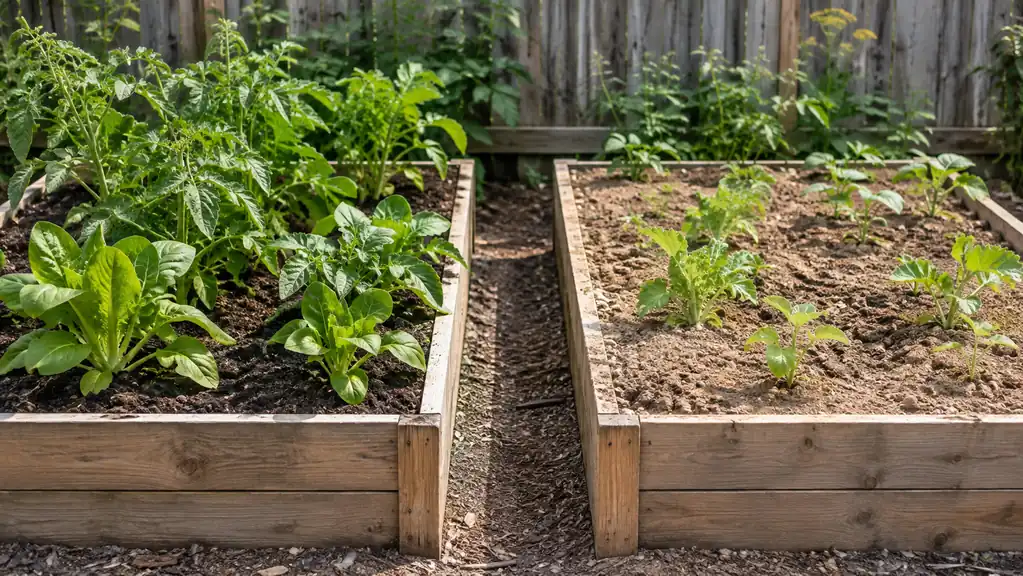
Most fertilizers are aimed straight at the roots. Castings work differently. The organic matter in the castings feeds bacteria, fungi, and the rest of the soil food web, and those organisms make the nutrients available to the plant over time. When I add Wiggle Worm to a bed, I am not giving the tomatoes a meal. I am stocking the pantry for the whole season. I noticed this most clearly in the spring of my second year, when I side-dressed one row of green beans and left the next row alone. The fed row stayed a deeper green all the way to the first frost, and the difference showed up in the beans themselves, not just the leaves.
It Is Gentle Enough for Seedlings
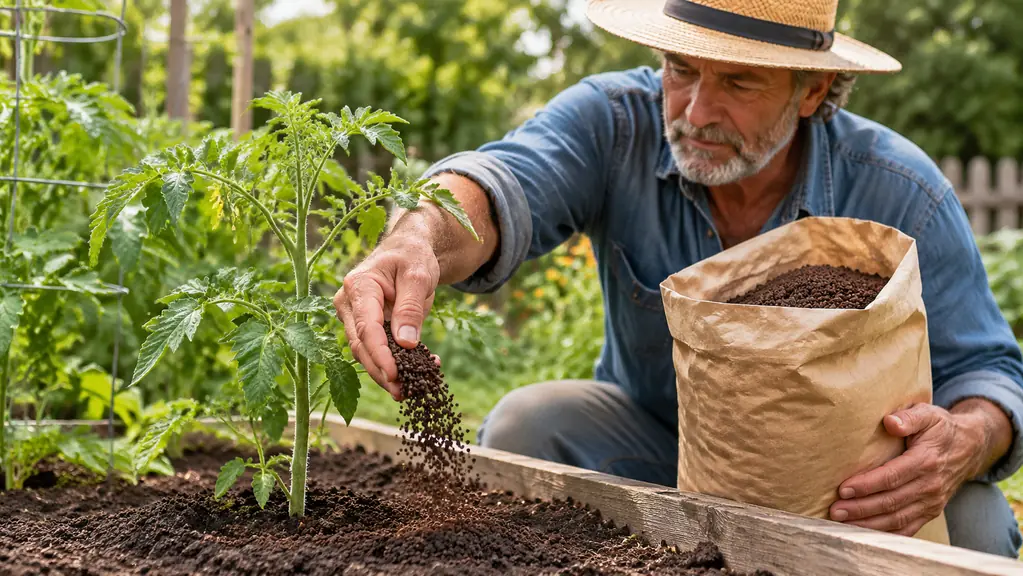
I add a scoop of Wiggle Worm to my seed starting mix every spring, and I have never once burned a seedling. The granules are mild, so young roots are not shocked the way they can be by a strong synthetic feed. For a retired school nurse with a bad back, that also means I can mix castings into a tray at the kitchen table without worrying about measuring perfectly.
It Improves Soil Structure One Granule at a Time
The bag describes the castings as tiny football-shaped particles, and that shape is the point. Those granules create little pockets of air in the soil, which helps roots breathe and water drain. My red clay turns to brick when it dries out, but the beds I have amended with castings stay loose and crumbly much longer between waterings.
It Holds Moisture Where the Roots Need It
The organic matter in castings acts like a sponge. In July, when the Ozarks turn hot and dry, the beds with castings worked into the top few inches stay damp noticeably longer than the beds without. Last July we went eleven days without rain, and while the unamended corners of my garden were cracking by day eight, the beds I had top dressed in May still held enough moisture for the kale to stand up at noon. That means fewer trips down the hill with the watering can, and less stress on my hands and my back.
It Makes Transplant Shock a Smaller Problem
I put a scoop of Wiggle Worm in every transplant hole, whether it is a tomato, a pepper, or a kale seedling. The roots grow into a pocket of mild, living organic matter instead of hitting bare clay. My transplants sulk for a day or two instead of a week, and I lose far fewer of them to the June heat. The clearest example was a flat of tomato seedlings I set out on a hot morning two seasons ago. Every single one took hold, and I did not lose one plant to the heat that week, which had never happened to me before.
It Is OMRI Listed, So I Know What I Am Spreading
The bag is OMRI listed organic, which matters to me because I grow food for my grandchildren when they visit in the summer. I do not have to wonder what else is in the bag. The castings are pure, nutrient-rich, and mineral-dense, and that is the whole list. For an organic garden, that is exactly the kind of simple label I trust.
It Works Alongside My Own Compost
I have used a VIVOSUN dual-chamber tumbling composter for two years, and I make a lot of my own compost. But my compost is still breaking down when I need it in the spring. Wiggle Worm castings are finished and ready the day the bag arrives. I use my compost for bulk organic matter and the castings for a concentrated boost at planting time.
It Is a Simple Top Dressing for a Midseason Pick-Me-Up
When the squash starts to lag in August, I sprinkle a thin layer of Wiggle Worm around the base of the plants and water it in. The granules break down slowly, so the soil gets a steady supply instead of a sudden spike. Two summers ago my zucchini had nearly stopped setting fruit by the middle of August. I top dressed the bed on a Tuesday evening, and by the following weekend the plants were throwing new blossoms and I picked three good squash the same afternoon. It is the easiest way I know to give a tired bed a second wind without digging anything up.
It Is Hard to Overdo
With most fertilizers, more is a problem. With castings, the risk is much lower because the nutrients are released slowly as the soil organisms process the organic matter. I still follow the directions and apply three times a year, but I do not lie awake worrying that I measured wrong on a tray of basil seedlings.
It Pays for Itself in Healthier Plants
A 4.5-pound bag goes further than you expect because a little goes a long way. I use it in seed starting trays, transplant holes, and top dressings, and one bag covers a good portion of my season. Healthier plants mean fewer losses, and fewer losses mean I am not buying replacement seedlings every spring. Last spring I started a hundred and twenty seedlings in three trays with a single bag, and I still had enough left for every transplant hole in the garden.
What I'd Skip
If you are looking for a quick nitrogen fix for a plant that is already starving, castings are not the tool. They work slowly, through the soil, and they will not rescue a plant that needed feeding three weeks ago. I also would not use them as the only amendment in a brand new bed with no compost and no other organic matter. They are a soil conditioner and a slow food source, not a complete diet. If you want a single product to do everything, you will be disappointed. If you want to feed the soil and let the soil do its job, they are hard to beat.
Castings do not feed the plant the way a synthetic fertilizer does. They feed the life in the soil, and the soil feeds the plant.
Start With One Bag and See What Your Soil Does
Three seasons in, Wiggle Worm is still the first bag I reach for at seed starting time. It is OMRI listed organic, easy to use, and gentle on seedlings and my back alike.
Amazon Check Today's Price on Amazon →