

The squash leaves were curling before I even noticed the aphids. I turned a leaf over one July evening and found the underside crowded with them, and within a week the powdery mildew had moved in like it owned the place. That was the season I stopped reaching for whatever was on the shelf and started reading labels more carefully. plantonix Neem Bliss is the pure cold-pressed neem oil I have used for about two seasons now, and this review is the honest account of how it actually behaved in my garden.
I am Hazel Whitford, and I have gardened organically for about twenty years on a half-acre lot in the Arkansas Ozarks. My husband Dale helps with the heavy lifting, but the garden is mine. I grow tomatoes, peppers, green beans, squash, kale, lettuce and basil in raised beds, with a strip of zinnias and marigolds for the pollinators. My soil is rocky red clay, so I build it up with compost and worm castings and try to let the beneficial insects do as much work as I do. Neem oil is one of the few things I spray at all, and I wanted to know whether this one was worth the attention.
The Quick Verdict
A pure, unrefined neem oil that works well against aphids and powdery mildew when you dilute it properly, spray in the evening and stay patient. Not an instant fix, but a reliable one.
Amazon Check Today's Price →The pure neem oil I reach for before anything else
If you want one clean, unrefined neem oil for aphids, powdery mildew and the rest of the garden season, this is the jug I keep in the shed.
Amazon Check Today's Price on Amazon →How I've Used It
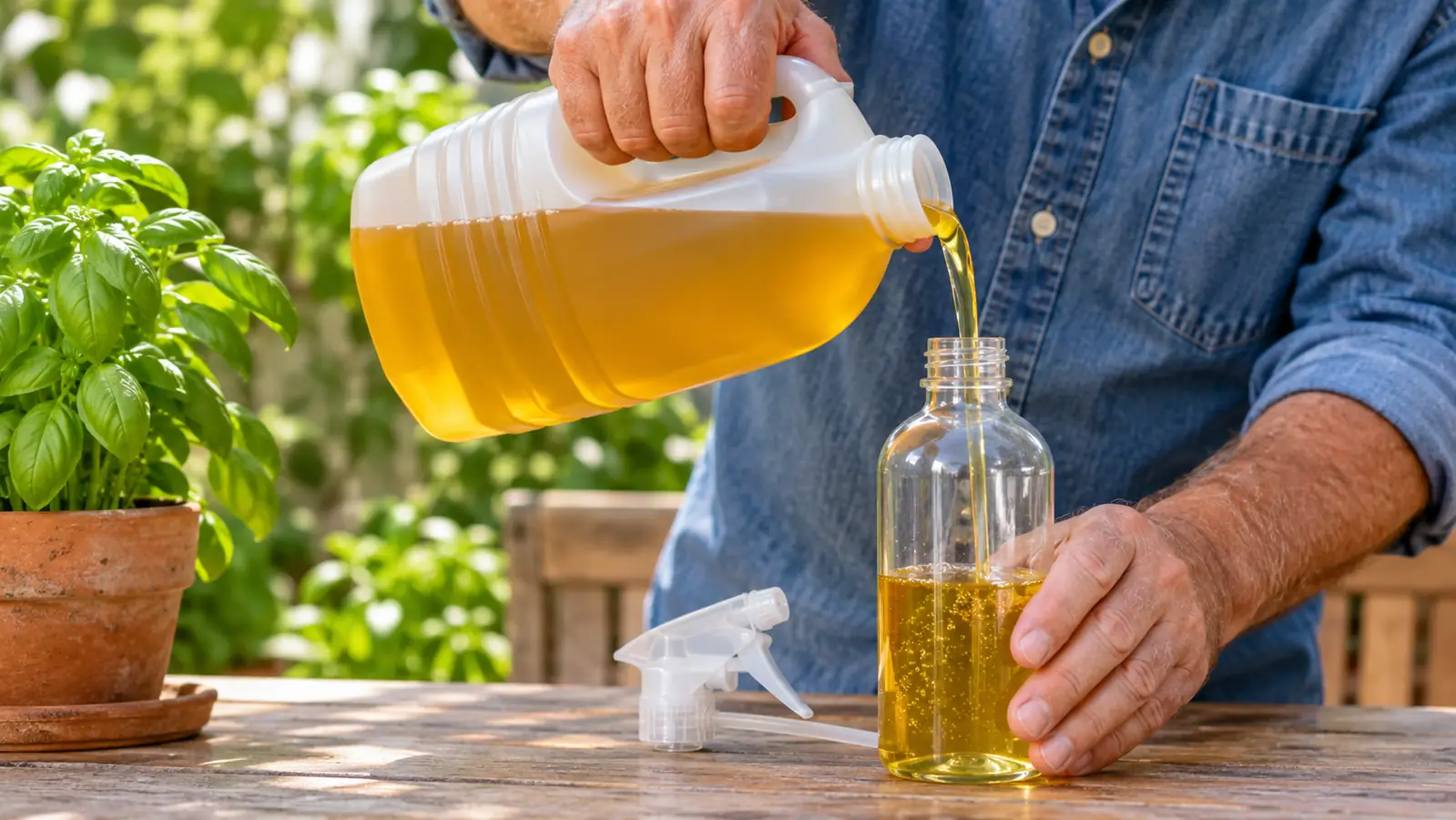
My usual mix is one tablespoon of Neem Bliss per gallon of water, with a few drops of mild dish soap to help it emulsify. I shake it well, pour it into a hand pump sprayer, and go out in the evening when the bees have mostly gone home. Neem oil does not tell the good insects from the bad ones, so evening spraying is my rule. I have sprayed it on squash, beans, tomatoes and peppers, and I have also used it on the zinnias when the aphids found them.
The first season I made the beginner's mistake of spraying in the heat of the afternoon. The oil sat on the leaves in full sun and the tender new growth at the top of the squash plants looked scorched for a few days. That was my error, not the product's. When I switched to evening applications, the leaves were fine. I learned to test any spray on a small patch of leaves first, wait a day, and then do the whole plant.
I have also used Neem Bliss as a dormant spray on a few fruit trees at the edge of the yard, and on the undersides of leaves where the aphids like to hide. The oil does not kill on contact the way a synthetic insecticide does. It works by smothering soft-bodied insects and by interfering with their feeding and growth, so you have to stay ahead of the pests and reapply after rain. I spray about once a week through the worst of the season, and more often if we have had a hard rain.
Last season I started spraying the first week of June, as soon as the squash had four true leaves, instead of waiting for trouble to find me. I marked the calendar every seven days and folded the spray into my evening rounds with the watering can. On spray nights I waited until the sun was behind the treeline and the breeze had died down, which in the Ozarks in July usually means somewhere around seven thirty. That routine, boring as it sounds, is what actually keeps the garden clean.
What Makes Neem Bliss Different
The label on the plantonix jug matters more than you might think. Many garden center shelves are lined with neem-based products that have already been mixed with other ingredients, or that have been processed in ways that reduce the active compounds. Neem Bliss is 100 percent pure, unrefined neem oil extracted from neem seeds, and it is cold pressed. Cold pressing preserves more of the oil's natural nutrients and bioactive compounds than methods that use heat or chemical solvents.
The oil comes in a 16 fluid ounce jug, which is 473 ml, and a little goes a long way. One tablespoon per gallon means that a single jug makes a great many spray bottles full. I use it for the vegetable garden, the herb bed and the pollinator strip, and one jug has lasted me most of a season. The jug plantonix uses is simple and functional, with a cap that pours cleanly and does not drip all over the shelf.
Another detail I appreciate is that the same pure oil can be used for hair and skin care, since the recommended uses include hair care and skin health. I have not used it that way myself, because I prefer to save the jug for the garden, but the fact that it is pure enough for both tells you something about what is in it. There is no mystery about the ingredient list, because there is only one ingredient.
How It Performed Over the Season
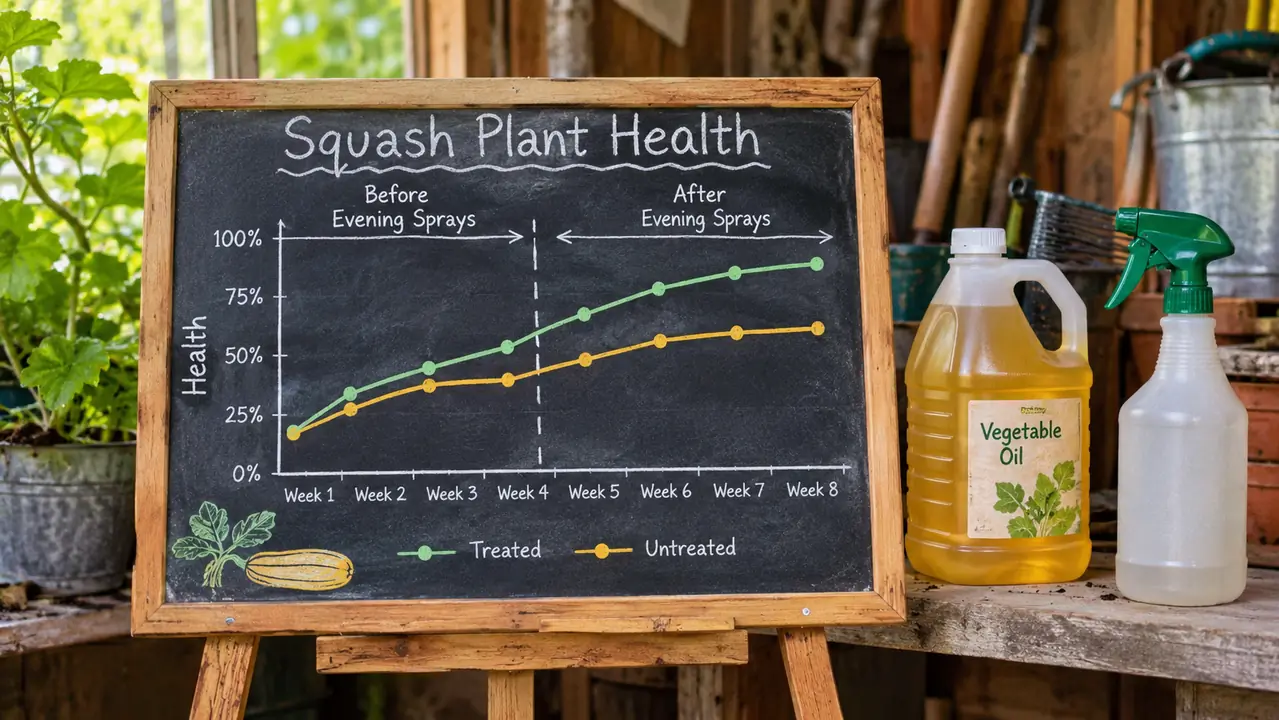
The aphids on my squash were the first real test. I sprayed the undersides of the leaves in the evening, waited three days, and sprayed again. Within about a week and a half, the colonies had thinned out noticeably and the new growth was coming in clean. It did not happen overnight, and I had to keep checking the newest leaves, but I did not lose the plants. That is the standard I care about in an organic garden.
Powdery mildew was a slower story. The white patches on the older squash leaves did not disappear once I started spraying. What happened instead was that the mildew stopped spreading to the new leaves, and the plants kept producing. I have learned that neem oil is better at keeping powdery mildew in check than at curing a heavy infection, so I now start spraying early in the season, before the mildew shows up, and I keep the spray schedule going through the humid weeks.
I also used it on the green beans when the aphids moved in, and on the peppers when I saw a few clusters on the undersides of the leaves. The beans responded well. The peppers are always a little sensitive to anything I spray, so I was careful to use a lighter mix and to spray only in the evening. The lesson I keep relearning is that neem oil rewards patience and consistency. It is not a scorched-earth fix. It is a steady, gentle tool that works with the plant's own defenses.
The squash bed holds six plants, three yellow crookneck and three zucchini, and the aphids always find the crookneck first. Last July the worst colony was on the fourth plant from the end, and I sprayed that one first, working from the bottom leaves up. By the third application the undersides were clean enough that I could see the soil through them, and the new leaves uncurled over the next two weeks. The zucchini, for whatever reason, barely needed a second pass. I wrote the dates on the shed calendar so I could see the pattern, and the pattern held.
The Practical Details That Matter
Neem oil has a distinct smell. It is earthy and a little bitter, like crushed seeds, and it lingers for a few hours after spraying. I do not mind it, because it tells me the oil is actually there, but it is worth knowing before you spray a whole garden on a still evening. The smell fades by morning, and I have never noticed it on the vegetables after harvest.
Mixing takes a little care. Oil and water do not want to combine, so I add a few drops of mild soap, shake the sprayer well, and shake it again halfway through the job. If you skip the soap, the oil floats on top and you end up spraying mostly water, then a concentrated slug of oil that can burn the leaves. That is the most common reason people think neem oil does not work or that it hurts their plants.
My hands are not as strong as they used to be, and I have mild arthritis in my hands, so I appreciate that the jug is easy to handle and the cap opens without a struggle. The 16 ounce size is light enough for me to lift and pour one-handed. I keep a dedicated measuring spoon in the shed so I do not have to hunt for one while I am holding a sprayer.
The measuring spoon I keep in the shed is a plain plastic tablespoon marked with a permanent pen so it never wanders back into the kitchen drawer. I mix in the sprayer in a particular order: soap first, then oil, then water, and I have found that order holds the emulsion together longer. I also mix fresh every time instead of storing the batch, because oil and water separate overnight no matter how well you shake them. It takes two minutes and saves me a clogged nozzle.
The aphids thinned out within a week and a half, the powdery mildew stopped spreading, and I did not lose a single squash plant. That is the standard I care about in an organic garden.
The Tradeoffs I Have To Be Honest About
Neem oil is not a one-and-done treatment. It breaks down in sunlight and washes off in rain, so you have to reapply. In a wet Arkansas summer, that means checking the forecast and getting out there between storms. If you want a product you can spray once and forget, this is not it. If you want something that works with the natural cycles of the garden and does not leave a harsh residue, it is worth the extra trips outside.
It also takes longer to see results than a synthetic spray. I sprayed for aphids and had to wait about a week before I could say the colonies were clearly smaller. That week felt long while the squash were struggling. I have learned to start spraying early, before the pests get a foothold, and to inspect the undersides of the leaves as part of my evening walk through the garden.
And there is the smell. It is not unpleasant to me, but it is noticeable, and if you garden near an open kitchen window you will smell it inside. I have also learned the hard way not to spray on a windy evening, because the drift carries the smell and the oil onto whatever is nearby. On a calm evening, with the sprayer set to a coarse mist, it is a manageable chore.
The rain is the real variable here. One August we got two inches in a single afternoon storm, and I knew the spray was gone before the clouds cleared. I went out the next evening and resprayed the squash and the beans, and that extra trip is simply part of the job in a wet year. I keep the jug mixed and the sprayer rinsed so I can be out there within a day of any heavy rain, and I check the forecast before I bother spraying at all.
What I Liked
- Pure, unrefined, cold pressed neem oil with a single-ingredient label
- A 16 ounce jug lasts most of a season at one tablespoon per gallon
- Effective against aphids and helpful in keeping powdery mildew in check
- The same pure oil can be used for hair and skin care
- Easy to mix and apply with a hand pump sprayer
Where It Falls Short
- Needs consistent reapplication after rain and in strong sun
- Results take about a week, not overnight
- Has a strong earthy smell that lingers for a few hours
- Can scorch tender leaves if sprayed in the heat of the day
- Requires a little soap and careful shaking to emulsify properly
Who This Is For
This is for the home gardener who wants one clean, reliable tool for the common garden pests and fungal problems, and who does not mind a little weekly routine. If you already garden organically, if you are willing to spray in the evening, and if you understand that prevention beats cure, Neem Bliss will fit naturally into your shed. It is also for anyone who wants a single product they can trust for both the garden and the bathroom cabinet, because the same pure oil is recommended for hair care and skin health.
It is especially good for gardeners with a few raised beds rather than a huge farm. At one tablespoon per gallon, the 16 ounce jug is the right scale for a backyard vegetable garden, and the cost per spray works out well. If you are already using compost, worm castings and beneficial insects, neem oil is the natural next layer of defense.
Who Should Skip It
Skip this if you want a quick knockdown spray that wipes out pests in an afternoon. Neem oil works with the plant's own rhythms, not against them, and it asks you to be patient and consistent. If you are not going to reapply after rain or stick with a weekly schedule, you will be disappointed.
Skip it if you are looking for a ready-to-use spray. This is a concentrate, which means you have to mix it yourself, add a little soap, and shake it well every time. That is a small chore, but it is a chore. And if you are sensitive to strong earthy smells, or if you garden right outside a window you like to keep open, test a small area first and see how the smell settles with you.
A full season of clean pest control, one evening spray at a time
Two seasons in, plantonix Neem Bliss is still the jug I reach for when the aphids find the squash. If you want the same pure oil in your shed, today's price is worth checking.
Amazon Check Today's Price on Amazon →