When I first ordered plantonix Neem Bliss, I expected a cure-all. Two seasons of spraying it on my squash and tomatoes have taught me something more useful: it is a good tool with a specific job, and it is not the answer to every garden problem. I am Hazel, and I have been gardening organically on a half-acre in the Arkansas Ozarks for about twenty years. My soil is rocky red clay, so I grow in raised beds. My squash gets aphids every summer, and powdery mildew shows up by August no matter what I do. Neem Bliss has become part of my evening routine, but I want to be honest about what it handles and what it does not.
The Quick Verdict
A dependable organic spray for aphids and early powdery mildew when you catch it early. It will not rescue a plant that is already covered, and it smells like salad dressing that went wrong.
Amazon Check Today's Price →The neem oil I keep reaching for
If you want a pure cold-pressed neem oil for aphids and mildew, plantonix Neem Bliss is the one I keep in the shed. See today's price on Amazon.
Amazon Check Today's Price on Amazon →How I've Used It
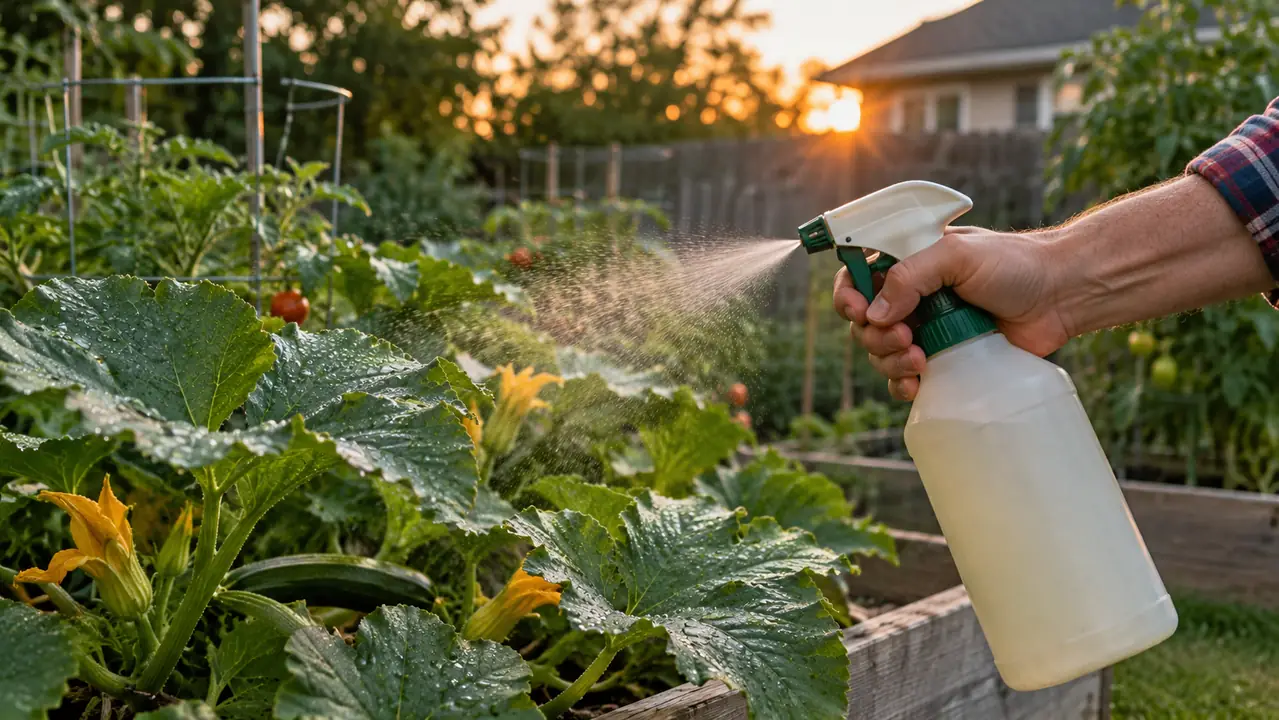
I have used Neem Bliss for about two seasons. My routine is simple. I mix a small amount of the oil with water and a little mild soap, pour it into a spray bottle, and go out to the garden in the evening. I spray the undersides of the leaves first, because that is where the aphids hide, and then I go over the tops. I focus on the squash, the beans, and the tomatoes, and I try to be thorough without drenching the soil.
Evening matters. Neem oil breaks down in strong sun, and the smell is strong enough that I do not want it hanging around in the heat of the day. Spraying at dusk gives the oil time to work before the sun hits the leaves the next morning. I also avoid spraying when the temperature is above eighty-five degrees, because I have seen tender new growth look a little scorched when I did not wait.
The jug is easy to handle. It is a 16 fluid ounce jug, 473 milliliters, and a little goes a long way. I have had the same jug for most of two seasons, and I am only about halfway through it. That is partly because I use it only when I see a problem starting, not as a weekly tonic.
How I Mix It
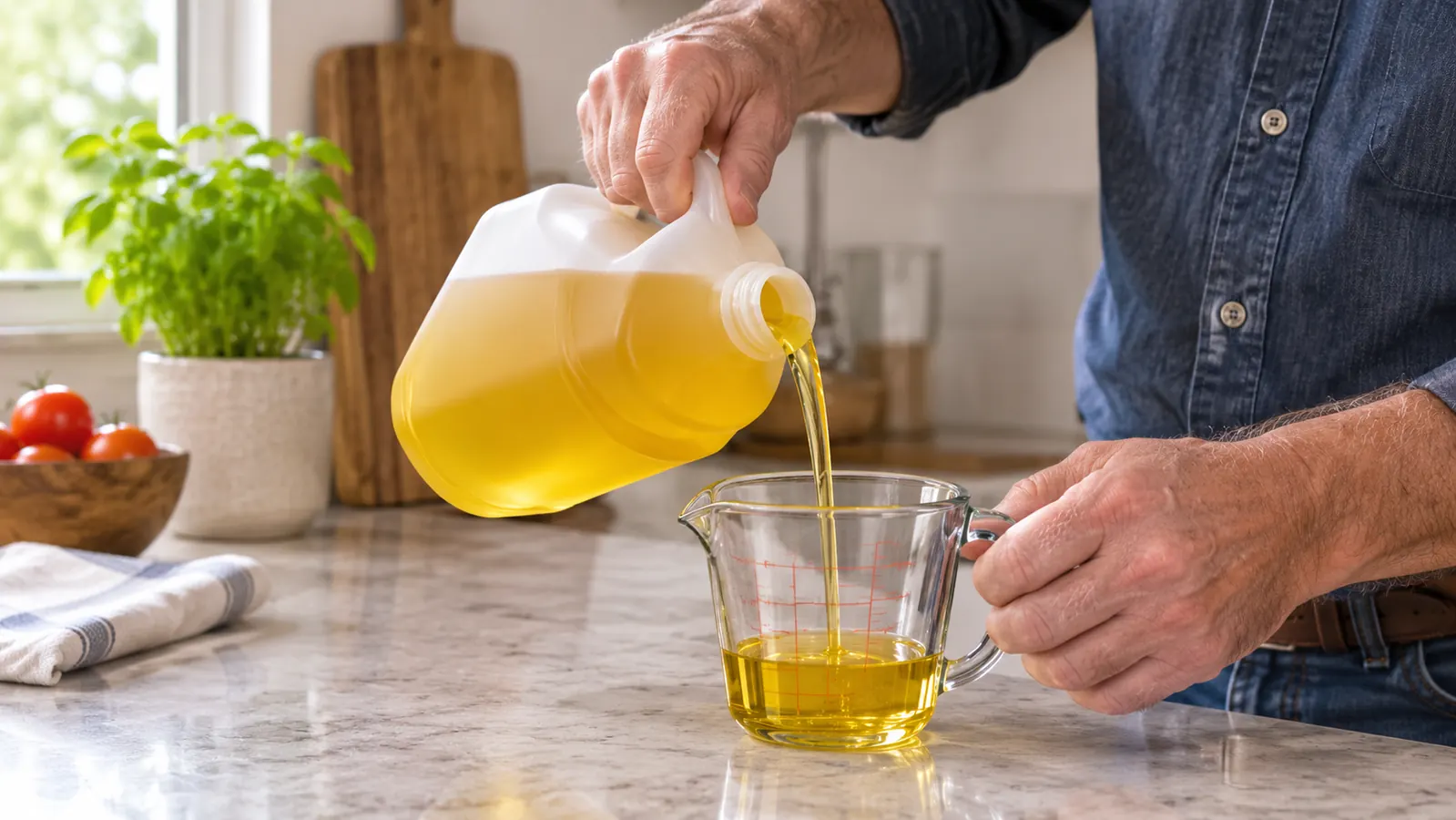
I mix plantonix Neem Bliss in a one quart spray bottle. I add about a teaspoon of the oil, a few drops of mild soap, and fill the rest with water. The soap helps the oil and water stay together long enough to spray. I shake the bottle well before each use, because the oil will separate if it sits.
I have learned not to make more than I need. A quart is enough for my whole garden on a normal evening, and I pour out any leftover rather than saving it. The mixture does not keep well, and spraying stale mix is a waste of time.
I also wear gloves and an old long sleeved shirt when I spray. Neem oil is not something I want all over my skin, and the smell is hard to wash out of clothes. The jug is light enough to pour one handed, which matters when my arthritis is flaring.
What Neem Bliss Handles Well
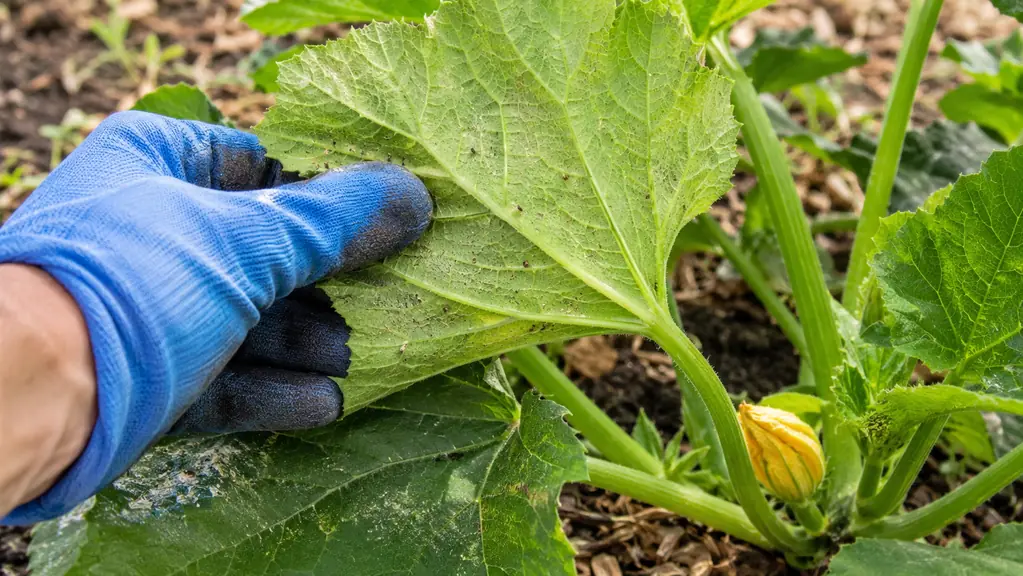
The first thing it handles well is aphids, if you catch them early. Last June I noticed a few aphids on the underside of my squash leaves. I mixed up a batch of Neem Bliss, sprayed in the evening, and checked again in the morning. The aphids were still there, but they were sluggish. By the third evening spray, the colony was mostly gone. It was not instant, and it was not a single application, but it worked.
It also does a decent job on powdery mildew when the mildew is just starting. Powdery mildew shows up on my squash every August, and the first sign is a few pale spots on the older leaves. If I catch it then, spraying every few evenings with Neem Bliss keeps it from taking over the whole plant. If I let it go for a week, the leaves turn white and crumbly, and no spray is going to bring them back.
The oil is pure, cold pressed, and unrefined, and the label says it is sourced from India. I like that it is a single ingredient, not a cocktail of mystery additives. For a gardener who wants to avoid synthetic sprays, that matters. I feel better about spraying something that is just pressed neem seed oil with water and a little soap.
The honest truth: Neem Bliss is a good early intervention, not a rescue remedy. It will not save a plant that is already covered in aphids or white with mildew.
What Neem Bliss Does Not Handle
Now the part that nobody tells you. Neem Bliss does not handle a heavy infestation. Last year I went on a ten day trip and came home to squash vines covered in aphids, with ants farming them. I sprayed Neem Bliss every evening for a week. It slowed them down, but it did not clean the plant. I ended up cutting off the worst vines and hosing the rest down with plain water before the oil could do its job.
It also does not handle powdery mildew once the leaves are already white. The oil coats the leaf, but it cannot repair the damage. The white spots stay, the leaf eventually dies, and the best you can do is protect the new growth. I have learned to start spraying at the first pale spot, not when the whole bed looks like a flour fight.
And it does not handle every pest. It did nothing for the squash vine borers that showed up in July. Those little moths lay eggs at the base of the stem, and by the time I saw the wilt, the damage was done. Neem Bliss is not a broad spectrum insecticide, and pretending it is will only cost you a crop.
One more honest note: the label lists hair care and skin health as the recommended uses. I bought it for the garden, and it works for me there, but if you want a product that is specifically marketed as a garden spray, you will want to read the label yourself and decide. I am not a plant pathologist, just a gardener who has had good luck with it.
The Honest Tradeoffs
The biggest tradeoff is the smell. Neem oil smells like a mix of garlic, peanuts, and burnt toast, and it lingers. I spray in the evening, and the garden smells like a strange kitchen for a few hours. The smell fades by morning, but it is real. If you are sensitive to strong smells, this will bother you.
The second tradeoff is the stickiness. Neem oil leaves a thin residue on the leaves, and if you spray too much, it can look a little greasy. It washes off with rain, but it also means you need to reapply after a good storm. I spray after rain, not before, and I try not to overdo it.
The third tradeoff is that it takes patience. This is not a spray that kills on contact. It works by interfering with the pest's life cycle, so you need to apply it more than once and give it time. I have had evenings where I wanted to see dead aphids the next morning, and instead I saw slow aphids. That is how this oil works. It is a slow, steady tool, not a hammer.
For me, those tradeoffs are worth it, because I would rather spray something that is just neem seed oil than reach for a synthetic product. But I want you to know what you are getting into before you buy.
What I Liked
- Pure, cold pressed, unrefined neem oil. The ingredient list is just neem seed oil.
- Genuinely clears aphids when you catch them in the first few days
- Slows early powdery mildew and protects new growth
- A 16 ounce jug has lasted me most of two seasons
- Mixes easily with water and a little mild soap
Where It Falls Short
- The smell is strong and lingers for hours
- Will not fix a heavy infestation or save a plant that is already covered
- Does nothing for pests like squash vine borers
- Needs evening application and repeated sprays to work
- The label lists hair care and skin health, not garden pests
Rain, Sun, and Timing
Timing is everything with Neem Bliss. I spray in the evening, after the sun has started to go down, because the oil can break down in strong light. I also check the forecast. If rain is coming, I wait. There is no point spraying twenty minutes before a storm washes it all off.
If it does rain after I spray, I do not panic. I just spray again the next evening. The oil does not need to be reapplied every day, but it does need to be on the leaves when the pests are active. A good rain is a good reason to start a fresh round.
The heat rule matters too. I avoid spraying when the temperature is above eighty five, because I have seen tender new growth look a little scorched when I did not wait. Now I wait for cooler weather or spray later in the evening.
The Label Question
One thing that confuses people is the label. The jug says hair care and skin health, not garden pests. That is because neem oil has been used for skin and hair for a long time, and the company sells the same pure oil for both purposes. I use it in the garden, and it works, but I understand why someone would want a product that says insecticide on the front.
I checked the ingredient list, and it is just neem seed oil. No added surfactants, no synthetic additives. That is what I want when I am spraying plants I am going to eat. I still wash my produce before I bring it in, but I feel better knowing exactly what is on the leaves.
If you are strictly organic, you will want to check your own rules. Neem oil is allowed in most organic programs, but I am not going to tell you what to do. I will tell you that this is the product I chose, and I have been happy with it for two seasons.
How It Fits With the Rest of My Garden
Neem Bliss is not the only thing I do for my plants. It is part of a routine that starts with healthy soil. I have three raised beds that sit above the rocky red clay, and I fill them with compost I make myself. I also use worm castings in my seed starting mix and in the transplant holes. When the soil is healthy, the plants are stronger, and they need less help from a spray bottle.
I grow tomatoes, peppers, green beans, squash, kale, lettuce, and basil, with a strip of zinnias and marigolds for the pollinators. The zinnias bring in the beneficial insects, and the marigolds seem to keep some pests confused. Neem Bliss is the tool I reach for when the balance tips, not the thing I spray every week.
I also pay attention to my own body. I am sixty one, and my hands have mild arthritis, so I like tools that are easy to use. The jug is light enough for me to handle one handed, and the spray bottle I use is something I can manage without straining my wrists. Gardening should not hurt more than it has to, and Neem Bliss does not add to the strain.
What I Wish Someone Had Told Me
The first thing I wish someone had told me is that neem oil needs to be mixed fresh. I used to mix a big batch and keep it in the shed, but it does not hold up. The oil separates, and the water and soap mixture gets funky after a day or two. Now I mix only what I need for that evening, and it works much better.
The second thing is that you have to get the undersides of the leaves. Aphids are not polite. They hide under the leaf, along the stem, and in the little creases where the leaf meets the stalk. If you only spray the tops, you are wasting your time. I lift each leaf and spray underneath, and I do it slowly enough to actually cover the colony.
The third thing is that consistency beats volume. Spraying a little, every few evenings, works better than spraying a lot once a week. The oil needs to be there when the new aphids hatch, and that means staying on schedule. I keep the bottle mixed and the sprayer ready, and I make it part of my evening walk through the garden.
And the fourth thing is that you should not expect Neem Bliss to fix a plant that is already dying. It is a tool for early trouble, not a resurrection remedy. I have learned to be honest with myself about when to cut my losses and pull a plant, and that has saved me more frustration than any spray ever could.
Who This Is For
Neem Bliss is for the gardener who catches problems early and wants an organic option. If you are willing to go out in the evening, look under the leaves, and spray every few days when aphids show up, this will serve you well. It is also for the gardener who already has a spray routine and wants a pure, cold pressed neem oil without extra additives.
It is for people like me, who garden in a small backyard and want to keep things simple. I have raised beds, a compost bin, and a shelf of tools, and Neem Bliss fits right in. I do not need a complicated system. I need something that works when I use it consistently.
Who Should Skip It
Skip it if you are dealing with a serious infestation right now. If your plants are already covered in aphids or white with powdery mildew, this oil will not save them. You need to remove the worst growth, hose down the plant, and then start spraying the new growth. Neem Bliss is a prevention and early treatment, not an emergency rescue.
Skip it if you hate strong smells or if you garden in the middle of the day. The oil needs evening application and a little patience, and the smell will follow you inside. And skip it if you want a product that is specifically labeled for garden pests. This jug says hair care and skin health on the label, and while it works for me in the garden, I understand why some gardeners want a product that says what it does right on the front.
Ready to try it in your garden?
If you are looking for a pure, cold pressed neem oil to keep on hand for early aphids and mildew, plantonix Neem Bliss is the one I reach for. Check today's price on Amazon.
Amazon Check Today's Price on Amazon →