
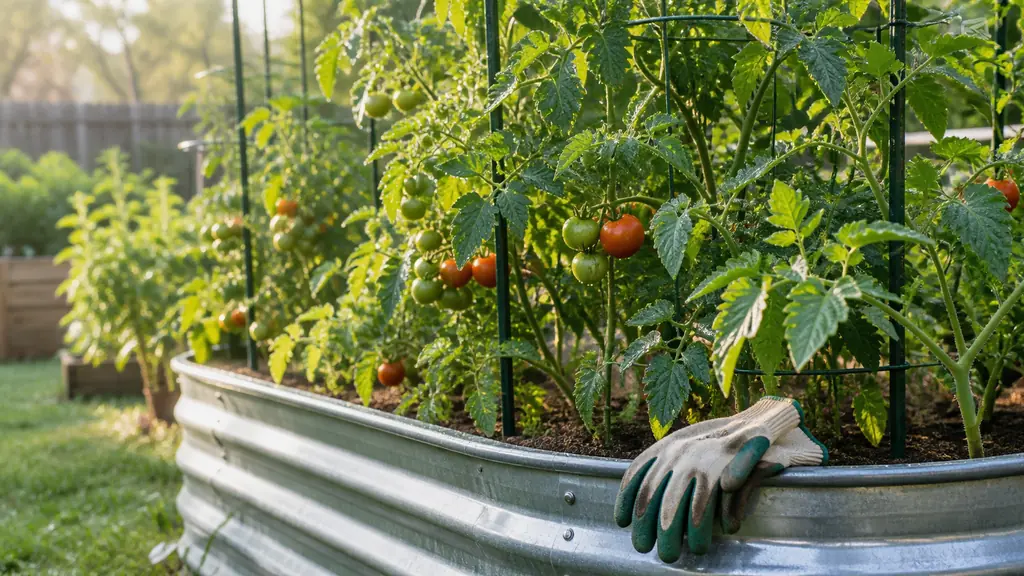
For years, my tomato harvest was a sad little bowl of green fruit that never ripened. I did everything I thought I was supposed to do. I tilled the rocky red clay, worked in bags of topsoil, watered on a schedule, and fed the plants every few weeks. They grew tall and leafy, then sat there. By August, I was pulling up vines that had given me maybe a dozen usable tomatoes. My neighbor, who gardened in a Land Guard raised bed, was carrying hers inside by the basketful. I did not want to admit that the difference was the bed.
The native soil here on the edge of the Arkansas Ozarks is rocky red clay. It bakes hard in July, holds water like a bowl in a wet spring, and leaves roots with almost no air. I fought it for years with a tiller and a sore back. My husband Dale would find me leaning on the hoe and say the same thing every time: you are going to hurt yourself. He was right. My lower back complained for days after any serious digging, and my arthritic hands made gripping a trowel harder every season. I have gardened organically for about twenty years, and I kept at it because I loved eating food I grew myself, but I was starting to wonder if the whole project was worth the pain.
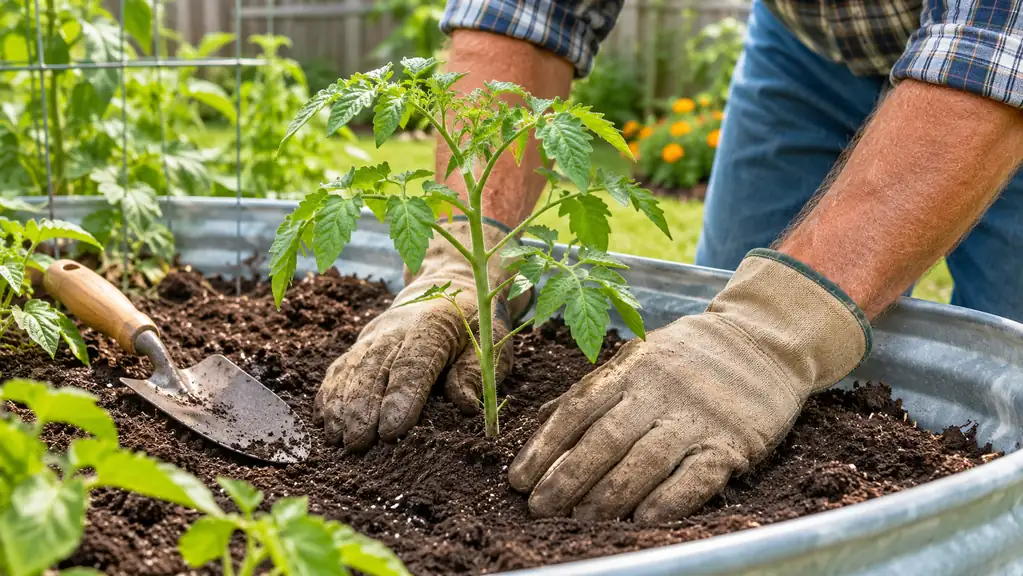
I tried wooden raised beds. They worked for a while, but the damp soil rotted the boards, and by year five I was tearing them apart. I tried growing tomatoes in big pots, but the pots dried out by noon and blew over in a summer storm. I needed something that would sit above the clay, last longer than wood, and go together without a fight. That is when I ordered three Land Guard galvanized raised garden bed kits in one order.
Each kit is 6 by 3 by 1 foot, which gives you 15.55 cubic feet of planting space. The panels are made from 0.78mm galvanized steel with a double-layer galvanized finish, and the listing says it resists rust. They arrived in flat boxes, and Dale and I put all three together that same weekend. I filled them with a mix of my own compost and garden soil, planted tomatoes, peppers and greens, and stepped back to see what would happen.
I chose the 6 by 3 size because I could reach across it from either side without stepping into the bed. That matters when you have arthritis and a back that complains. It is also tall enough to keep out most of the grass that used to creep into my old garden rows, and short enough that I can still tend it easily.
The first summer with the Land Guard beds, I picked ripe tomatoes by the Fourth of July. I had never done that in twenty years of gardening.
The bed that finally got above the clay
If your tomatoes are all leaves and no fruit, the problem might be the ground they are growing in. See today's price on the Land Guard raised bed and give your plants a better place to put their roots.
Amazon Check Today's Price on Amazon →The first summer, I picked ripe tomatoes by the Fourth of July. I had never done that in twenty years of gardening. The reason was simple: the soil in the bed warmed up faster in spring, stayed loose, and drained well after rain. The plants could put their roots down deep instead of fighting clay. I also stopped stepping on the soil, so it never packed down. My back thanked me, and so did my hands.
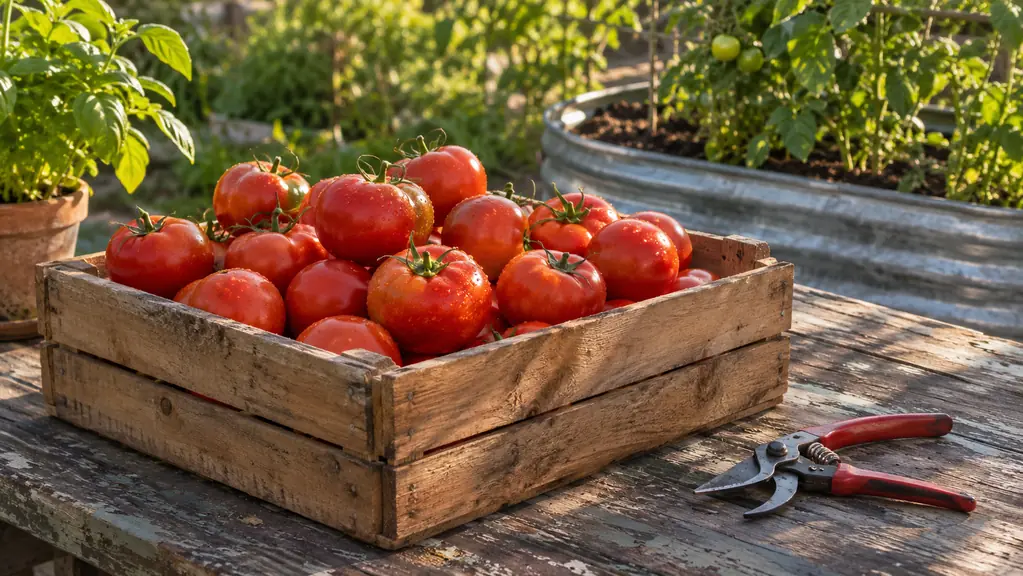
That was three springs ago, and I still have the same three beds. The wooden beds they replaced lasted about five years before the corners rotted. The Land Guard beds have been through three seasons of rain, sun, and the occasional surprise snow, and they still look as solid as the day I put them together. The galvanized coating was supposed to resist rust, and so far it has. I do not worry about splinters anymore, either.
Last year, I canned fourteen quarts of tomatoes, gave a grocery bag to the grandkids every time they visited, and still had enough for salsa and spaghetti sauce. My neighbor and I now compare notes instead of harvests. She grows in two Land Guard beds, and we both agree the metal is easier on the back than the old wooden boxes.
The other thing I did not expect was how much easier the bed made the everyday work. Because the sides are only a foot high, I can sit on a low stool and reach the plants without kneeling in the mud. Weeding takes half the time. Mulching is simple. And when a storm blows through, the bed stays put because it is floor standing and heavy once it is full of soil. I spend less time fighting the garden and more time enjoying it.
What I'd Tell You If We Were Sitting at My Kitchen Table
If you are fighting heavy soil, stop fighting it. You do not need a big, expensive setup. One Land Guard bed, a bag of compost, and a few good plants will teach you more in one season than twenty years of tilling ever did. Put the bed where it gets full sun, fill it with soil you can actually dig in, and give the plants room to grow. The bed will not do the work for you, but it will take away the part that wore me out. Start with one, and let the tomatoes convince you.
Start with one bed, not a whole garden
The Land Guard raised bed is the one piece I would buy again tomorrow. Check today's price on Amazon and give yourself a season without the clay.
Amazon Check Today's Price on Amazon →