
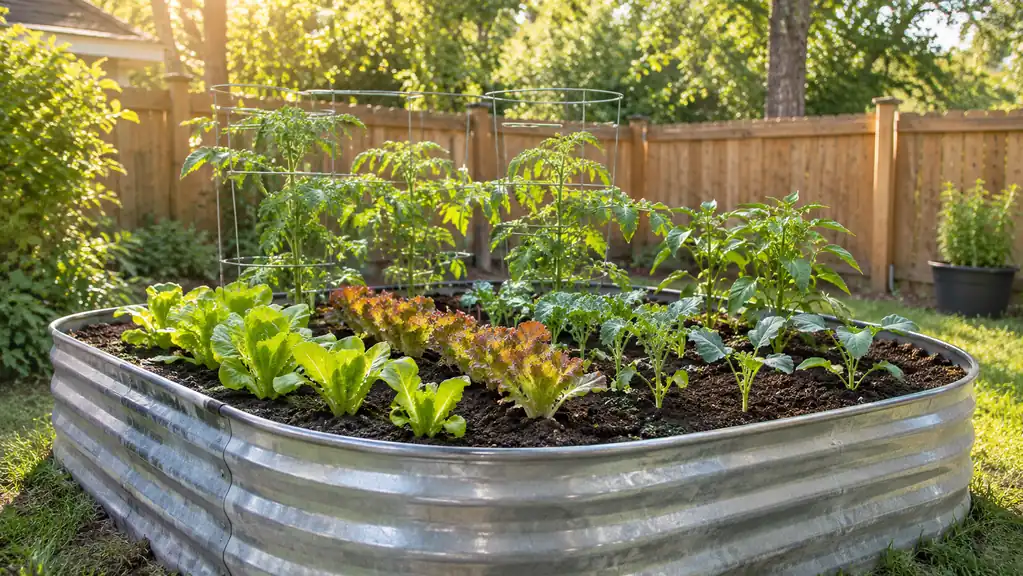
Three springs ago I gave up on wooden raised beds for good. The sides on my old ones had rotted through after about five years, and I was tired of replacing boards in rocky red clay that never seemed to drain. I put in three Land Guard galvanized raised beds, 6 by 3 feet and a foot deep, and they have quietly changed how I garden. This is the list I would hand to a neighbor who keeps asking why mine look so good.
Every reason below comes from my own rows, not from a catalog. I have made plenty of mistakes in twenty years of organic gardening, and I have learned to be suspicious of anything that promises to do the work for you. A raised bed does not replace the work. It just makes the work count. Your soil, your climate and your back may vote differently, but here is what I look for in a bed that has to last.
Start with one bed and see the difference
One 6 by 3 foot Land Guard bed holds 15.55 cubic feet of soil, enough for tomatoes, peppers and a row of basil. That is a full season of produce from a single afternoon of setup.
Amazon Check Today's Price on Amazon →No rot, no treated wood, no questions about what touches your soil
Organic gardening starts with trust in the soil. Wooden beds eventually rot, and once they do you start wondering what is holding them together and whether it belongs anywhere near your carrots. These beds are made from Q195 0.78mm galvanized metal sheet with a double-layer galvanized finish, and the specs list them as rust resistant. After three years of rain, snow and Ozark summers, the walls look the same as the day I set them up. I fill the beds with my own compost and worm castings and never give the walls a second thought.
The soil warms up earlier in spring
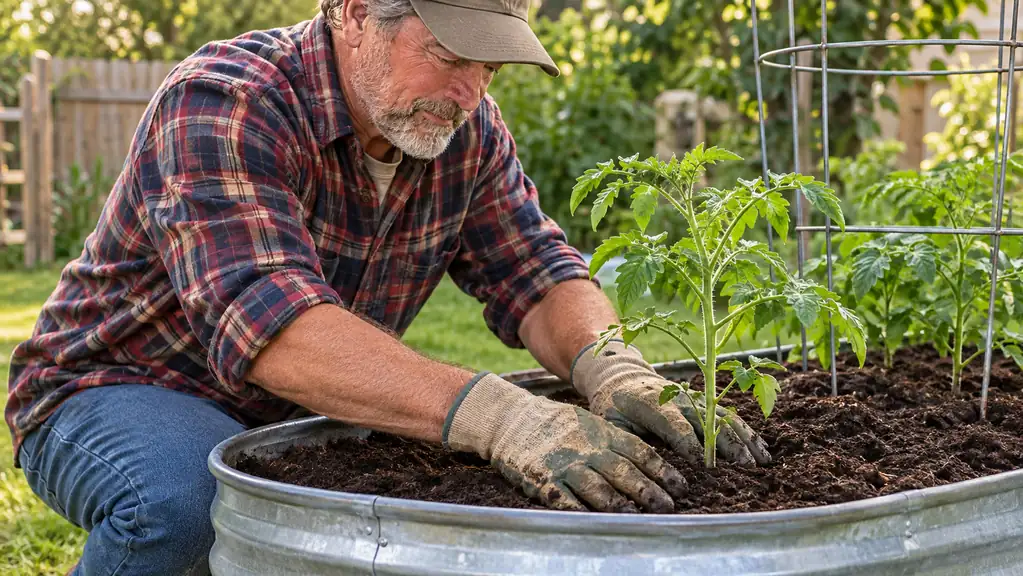
Metal walls conduct heat, so the soil inside a galvanized bed wakes up faster than the ground around it. On cool April mornings my tomato and pepper starts sit in soil that is already working. That head start matters in the Ozarks, where a late frost can undo a whole week of hope. I plant a little earlier each year, and the beds forgive me.
They outlast wood by years, and the math is simple
My old wooden beds gave me about five years before the sides bowed and split. These Land Guard beds have been through three springs, three summers and three winters, and they still stand square. The 0.78mm sheet is thicker than the average galvanized bed, and the double-layer finish is the reason the rust has stayed away. I do not want to rebuild a garden every half decade. I want to build soil, and that takes time.
A foot of height is kind to an aging back
I am 61, with arthritis in my hands and a lower back that complains after a long day of digging. A 12-inch wall does not sound like much, but it is the difference between kneeling in the dirt and bending from the waist. I can sit on a low stool and work the whole bed without ever touching my knees to the clay. Gardening should not hurt. These beds make sure it does not have to.
You build good soil instead of fighting clay
My native soil is rocky red clay that bakes hard in July and turns to mud in February. A raised bed lifts the whole growing zone above that mess. Each Land Guard bed holds 15.55 cubic feet, and I filled mine with a blend of good loam, compost and worm castings. Now the roots grow in soil I made, not soil I inherited. That is the whole point of organic gardening for me.
Assembly takes about five minutes
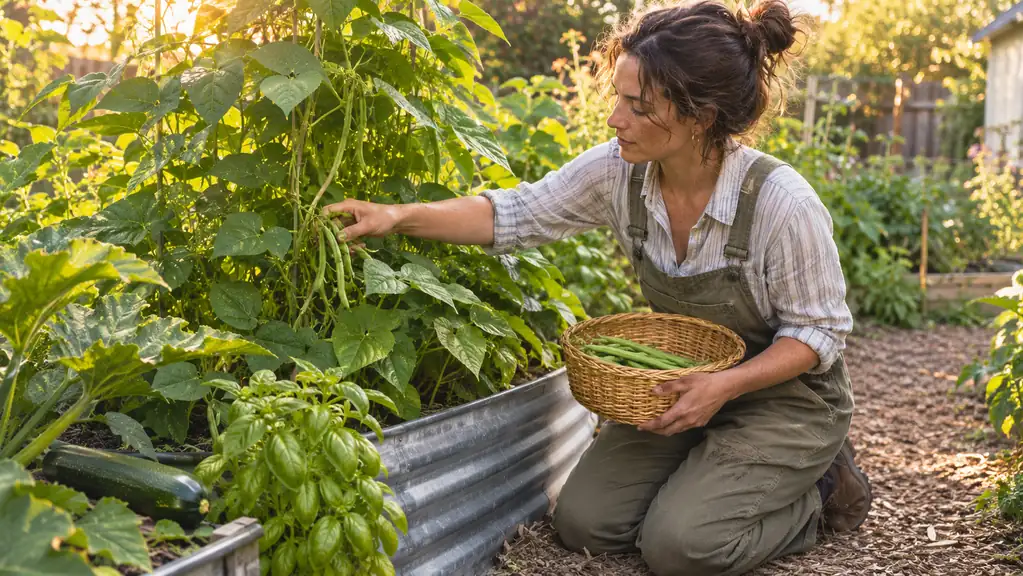
The listing says these beds assemble in about five minutes, and that is not marketing talk. I put the first one together on a Saturday morning before my coffee finished brewing. The pieces fit, the edges line up, and there is no cutting, no painting and no waiting for glue to dry. When you order three beds at once, that means a whole garden in under half an hour.
The oval shape puts every inch to work
Square beds always seem to grow weeds in the corners. The oval shape of this bed means there are no corners to waste. I plant basil and marigolds right up to the edge, and the pollinators find them. It also looks softer in the yard than a sharp rectangle, which matters when the garden sits outside the kitchen window where I see it every morning.
Mulch stays where you put it
I mulch with straw and chopped leaves, and before these beds the mulch washed onto the path with every hard rain. The clean metal edge holds the mulch in place and keeps the grass from creeping in from the sides. Less weeding, less wasted compost, and the paths stay clear enough for the wheelbarrow. Small things, but they add up over a season.
Drainage works with you, not against you
In clay country, drainage is everything. A raised bed gives excess water somewhere to go, so the roots are not sitting in a puddle after a storm. The 1-foot depth holds enough soil for deep roots while letting the water move through. My beans and squash have stopped yellowing at the base, and I credit the beds for most of that.
At 36 inches wide, you can reach the middle without stepping in
This bed is 6 feet long and 3 feet wide. The width is the detail that matters most to me. I can reach the center from either side without setting a foot in the soil, which means the soil stays loose and the plants stay undisturbed. No stepping, no compacting, no crushed seedlings. It is the difference between tending a garden and walking through one.
What I'd Skip
If your native soil is already loose, deep and rich, a raised bed is an extra expense you may not need. If you want to grow long-rooted crops that need two feet of depth, a one-foot bed will feel shallow. And if bending is hard for you even at waist height, a 12-inch wall still asks you to kneel; you would do better with a taller bed or a sturdy stool. Galvanized beds are a tool, not a promise. They suit gardeners who want to build soil above difficult ground, not gardeners who want to skip the work entirely.
My wooden beds gave out after five years. These have been through three Ozark springs and still look like the day I set them in the ground.
If you are still deciding, start with one Land Guard bed. Put it where the sun is good, fill it with the best soil you can make, and grow something you actually eat. The rest of the garden can catch up next year.
Three years in, I would buy them again
If you garden on clay, on rock, or on ground you do not trust, a galvanized bed lets you start fresh with soil you built yourself. That is the whole argument, and it holds up.
Amazon Check Today's Price on Amazon →